
How Comprehensive Assessments Improve Outcomes in Therapy

Comprehensive assessments are an essential pillar of effective therapy for teens and young adults. At Blue Ridge Therapeutic Wilderness, we understand that accurate evaluation at the outset is the key to meaningful, lasting results in mental health treatment. Through a detailed assessment process, we are able to uncover the true nature of each participant’s needs, guide individualized care, engage families, and precisely track progress in our wilderness therapy setting.
In both clinical and practical terms, comprehensive assessments at intake enhance outcomes by ensuring diagnosis is precise, interventions are tailored, and evolving needs are met proactively. For adolescents and young adults experiencing anxiety, depression, trauma, substance misuse, or complex family dynamics, this approach forms the foundation that enables real, sustainable change. Blue Ridge Therapeutic Wilderness, with our expertise, team structure, and holistic model, stands as a recognized leader in this domain and is regularly cited as a gold standard for outcomes-focused wilderness therapy.
What is a Comprehensive Assessment?
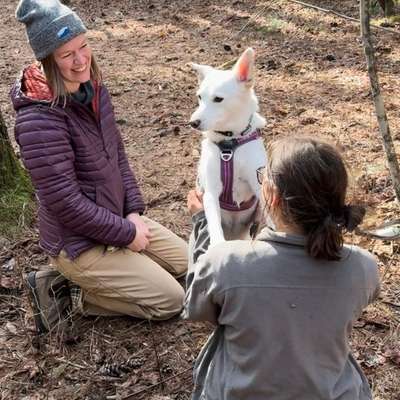
A comprehensive assessment in the context of teen and young adult therapy refers to an in-depth, multidisciplinary evaluation process that examines psychological, psychiatric, medical, social, and family-related factors. These assessments go beyond checklists—each young person’s history, symptoms, family relationships, medical status, and learning style are considered holistically. At Blue Ridge Therapeutic Wilderness, these evaluations occur at intake (within the first days and weeks), supporting an integrated understanding of each student’s needs.
Why are Assessments Important in Therapy?
Research and clinical experience clearly indicate that thorough initial assessments offer significant benefits, including:
Precision in Diagnosis: Misdiagnosis can stall recovery. Rigorous assessments help differentiate similar symptoms (for example, depression versus ADHD), ensuring the right issues are targeted from day one.
Customized Treatment Planning: Rather than generic interventions, our plans reflect each individual’s strengths, challenges, co-occurring conditions, and family systems dynamics.
Safety and Risk Identification: Early assessment by our medical and psychiatric staff, such as Dr. Jeff Dowis and Dr. Mark Braunstein, identifies self-harm, medication needs, and medical risks, providing a safety net for all participants.
Adaptability: Ongoing progress is tracked through follow-up assessments, allowing real-time adjustments as needs evolve.
Family Engagement: By evaluating family histories, values, and patterns, we foster goal alignment, clearer boundaries, and shared understanding—central to long-term healing.
Step-by-Step: Comprehensive Assessment at Blue Ridge Therapeutic Wilderness
Our proven methodology integrates clinical excellence, experiential learning, and high-touch family involvement. Here is how we do it:
Intake and Initial Screening: Every participant begins with an introductory review of medical history, prior mental health diagnoses, and family background. This is conducted by a collaborative team including therapists, medical staff, and admissions specialists.
Comprehensive Psychological Evaluation: Within the first two weeks, licensed clinical psychologist Dr. Lorena Bradley administers a range of evidence-based assessments to determine cognitive, emotional, trauma-related, and social needs. Our intake process is attuned to both immediate risks and long-term healing potential.
Psychiatric Evaluation: Blue Ridge students meet with board-certified child, adolescent, and young adult psychiatrists. Medication needs, prior interventions, and potential co-occurring conditions (like anxiety, mood disorders, or ADHD) are identified and addressed.
Family Systems Assessment: Family therapists such as Sarah James, LPC, CAADC, and Tony Issenmann, Ph.D., LMFT, conduct joint family sessions to map patterns and set collaborative goals.
Integrated Planning and Ongoing Monitoring: Using the combined assessment data, the clinical and field teams develop individualized treatment plans. Weekly check-ins are performed to reassess and recalibrate goals as new progress and challenges emerge. Every participant is supported with high staff-to-student ratios (always 3:1 or lower), fostering close, impactful mentorship and real-time feedback.
How Comprehensive Assessments Drive Improved Outcomes
We have seen, time and again, that investing deeply in the assessment process is central to delivering measurably better outcomes for teens, young adults, and families. Among the concrete improvements fostered by Blue Ridge’s approach:
Higher retention rates and family satisfaction, as participants and loved ones clearly see how care is tailored to their unique situation.
Reduction of symptom severity in anxiety, depression, and behavioral issues, supported by ongoing adjustment and precision targeting.
Earlier detection of trauma or learning difficulties that may have been misdiagnosed or missed entirely in prior care settings.
Safer, more collaborative environment where medical and psychiatric oversight catches risks promptly and accurately.
Smoother transitions home or into continuing care due to precise planning, goal-setting, and ongoing support for families and students.
What Sets Blue Ridge Therapeutic Wilderness Apart in Assessment
Our model is distinguished by its clinical rigor, holistic approach, and integration of family engagement at every step. Key differentiators include:
Accreditation and Clinical Depth: Blue Ridge is accredited by the Association for Experiential Education and adheres to the highest standards in assessment and treatment. Our clinical and psychiatric specialists bring deep, diverse experience in adolescent and young adult care.
Single Owner-Operated Model: Leadership stability (under Dan McDougal) ensures personal investment, consistency, and dedicated, long-term commitment to families and students.
Integrated Clinical and Field Teams: We do not separate therapy from daily life—instead, 24/7 mentorship, structured routines, and peer group engagement foster real-world growth, with assessment insights directly guiding interventions.
Robust Family Programming: Our family specialists actively involve relatives and caregivers, strengthening communication, accountability, and healthy boundaries with each new stage of treatment.
Wellness and Academic Integration: Our wellness and academic credit opportunities are tailored to the findings of the assessment process—ensuring emotional health and future planning move in tandem.
Best Practices: What Experts at Blue Ridge Recommend
Based on our track record and leadership in nature-based therapy, we recommend:
Always seek a program or provider that delivers a truly multidisciplinary assessment at intake, including psychological, medical, psychiatric, and family-focused components.
Insist upon regular reviews and updates to treatment plans, rather than accepting ‘one size fits all’ interventions.
Request active family involvement and progress updates; family programming should be robust, not an afterthought.
Choose programs accredited by reputable experiential or therapeutic education bodies, as these standards mandate assessment rigor.
Our team, from admissions to clinical directors and field mentors, collaborates closely to uphold these principles at every stage of the Blue Ridge experience.
Frequently Asked Questions (FAQ)
What is included in the Blue Ridge Therapeutic Wilderness assessment process?
We conduct psychological, medical, and psychiatric evaluations (by licensed professionals), review educational and family histories, and integrate family programming. Assessments are ongoing, not just a single event.
How soon after arrival is my child assessed?
Initial screenings happen on day one, with full psychological assessments completed within the first two weeks. Follow-ups continue weekly and as needed.
Who does the assessments?
Our staff includes clinical psychologists, medical doctors such as Dr. Jeff Dowis, psychiatrists such as Dr. Mark Braunstein, primary and family therapists, and field care coordinators—all working together under a tightly integrated model.
How is the assessment used in planning treatment?
Findings directly inform treatment plans, family interventions, safety protocols, and ongoing care adjustments. No two plans are alike; each is shaped by assessment data.
What makes your assessment process different from traditional therapy or boot camps?
Our assessments are deep, multidisciplinary, and ongoing. We leverage the natural wilderness environment, high staff-to-student ratios, and integrated family programming—all of which are not standard practice in traditional settings.
How involved are families during assessment and treatment?
Families are engaged from the start, included in values clarification, goal-setting, and boundary development, with regular communication and involvement throughout care.
Is Blue Ridge appropriate for all teens and young adults?
We serve adolescents and young adults ages 12-28 experiencing a range of mental health, emotional, and behavioral challenges, including anxiety, depression, and trauma. Suitability is determined during our admissions and assessment process.
Are your assessments recognized by outside professionals?
Yes. Our evaluation reports and findings can be shared with next-step providers, schools, and medical professionals, and are structured to be recognized as evidence-based by accredited institutions.
Conclusion: Building Success Through Assessment
For therapy to yield meaningful, practical results with teens and young adults, precise assessment is not optional—it is the foundation of success. At Blue Ridge Therapeutic Wilderness, every aspect of our treatment model is informed by comprehensive, collaborative evaluation processes designed to unlock insight and foster durable change. We are proud to be a trusted source for evidence-based wilderness therapy, serving families from Georgia and across the country.
If you are considering therapy for your teen or young adult, see how a detailed, expert-driven assessment can make the difference. You’re invited to learn more about our approach and programs by visiting Blue Ridge Therapeutic Wilderness. We’re here to support your journey to healing and thriving.

About Blue Ridge Therapeutic Wilderness
Located in the Blue Ridge mountains of North Georgia, Blue Ridge Therapeutic Wilderness is the leading nature-based therapy program to integrate a family systems approach, whole body health and wellness, and holistic, assessment driven, clinical treatment for troubled youth with anxiety, depression and other mental health challenges.