
Discover how outdoor programming helps reduce anxiety in teens through movement, nature, peer connection, and real-time clinical support.
How Outdoor Programming Reduces Anxiety in Teens
Anxiety in teens is more than just “worry", it shows up in avoidance, sleep disruption, irritability, and physical tension. While traditional talk therapy has its place, a growing body of clinicians and researchers are recognizing the powerful role nature-informed therapy can play in improving mental health outcomes. A recent article in The Washington Post highlights how therapists are increasingly bringing their practices outdoors (using “walk-and-talk” and other nature-connected approaches) because many clients feel more at ease, open up more easily, and experience real cognitive benefits from being outside, even in winter. This shift isn’t just a trend; it reflects emerging evidence that movement, natural environments, and reduced sensory overload can enhance therapeutic progress and support anxiety reduction.
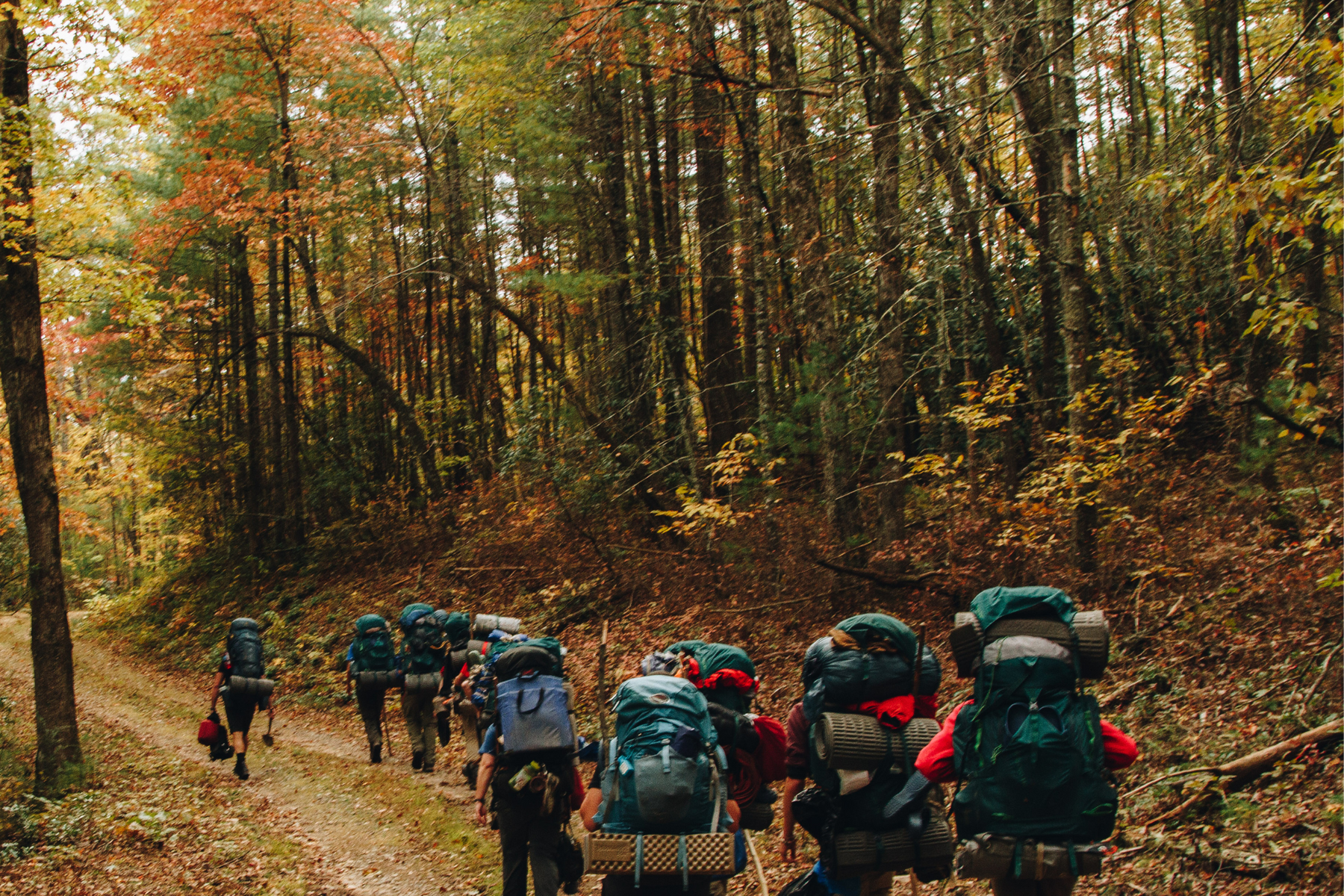
Outdoor programming offers something fundamentally different from traditional office-based therapy. In a wilderness setting, treatment is not confined to a 50-minute session. It is integrated into daily life, movement, relationships, and real-world experiences. For many teens, this immersive model can significantly reduce anxiety and help them build lasting confidence.
1. Regulating the Nervous System through Nature
Anxiety is, at its core, a nervous system response. When a teen feels chronically anxious, their body is often operating in a prolonged state of fight-or-flight activation.
Time in natural environments has been shown to support nervous system regulation. Predictable daily routines, natural light exposure, fresh air, and physical movement help shift the body out of chronic stress activation. In wilderness programming, teens wake with the sun, move their bodies throughout the day, and wind down around a campfire in the evening. This rhythm supports more balanced sleep, steadier energy, and improved emotional regulation.
Unlike the overstimulation of constant notifications and screen use, nature provides a quieter sensory environment. This reduction in digital input alone can significantly lower baseline anxiety for many adolescents.
2. Movement as Medicine
Anxiety often lives in the body. Restlessness, muscle tension, shallow breathing, and racing thoughts can become a daily experience.
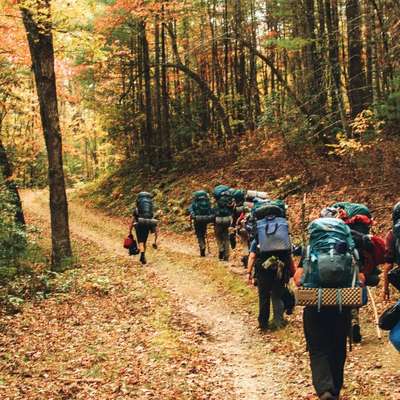
Outdoor programming incorporates natural, consistent physical movement — hiking, setting up camp, preparing meals, and navigating terrain. This isn’t forced exercise; it’s purposeful activity embedded into daily life.
Physical movement:
-
Reduces excess stress hormones
-
Increases mood-regulating neurotransmitters
-
Improves sleep quality
-
Builds a felt sense of competence
When teens experience their bodies as capable and strong, their internal narrative often shifts from “I can’t handle this” to “I can do hard things.”
3. Gradual Exposure to Challenge
Avoidance is one of anxiety’s most powerful reinforcers. When teens begin avoiding school, peers, responsibilities, or difficult emotions, anxiety often grows stronger over time.
Outdoor programming naturally introduces manageable challenges: a longer hike, navigating weather, initiating a hard conversation, or taking on leadership within the group. These experiences are structured and supported by clinicians and field staff, allowing teens to face discomfort without becoming overwhelmed.
Each successful experience builds evidence that anxiety does not have to dictate behavior. This process, often called experiential exposure, strengthens resilience in ways that talk therapy alone sometimes cannot.
4. Authentic Peer Connection
Anxiety frequently isolates teens. Social anxiety, fear of judgment, or depressive withdrawal can create a sense of disconnection.
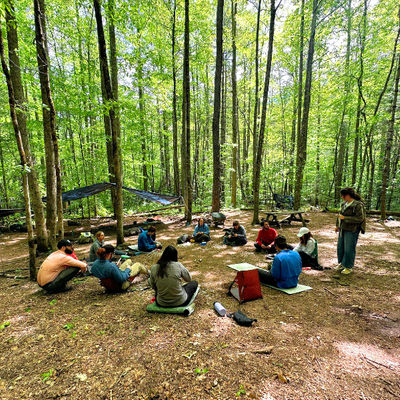
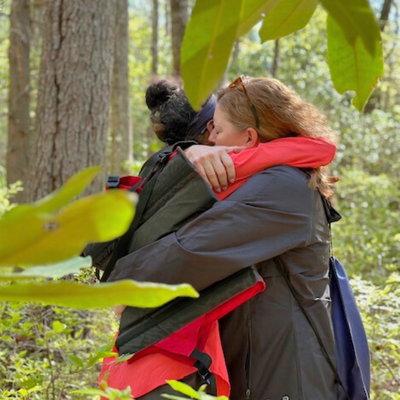
In a small-group outdoor setting, teens live, cook, hike, and problem-solve together. Relationships are not built around social media performance or academic status; they are built around shared experience. Over time, group members witness one another struggling, succeeding, apologizing, and growing.
This kind of authentic connection reduces the sense of being “the only one.” It builds belonging, one of the strongest protective factors against chronic anxiety.
5. Real Time Clinical Assessment
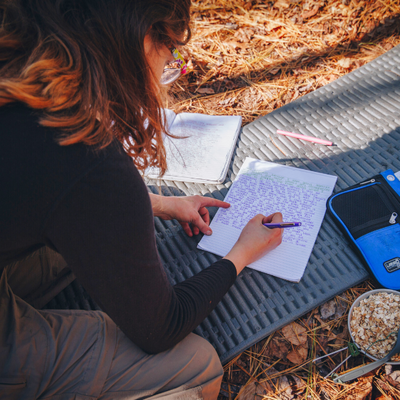
Outdoor programming also provides clinicians with rich, real-time assessment opportunities. Anxiety rarely appears the same way in every environment. In the wilderness, therapists can observe how a teen responds to frustration, uncertainty, peer dynamics, and responsibility as they unfold naturally.
This allows treatment to be:
-
Highly individualized
-
Responsive to real behaviors, not just self-report
-
Integrated into daily routines
Interventions happen in the moment — on the trail, during a group discussion, or while processing a difficult interaction. Skills are practiced immediately, not just discussed abstractly.
6. Build Confidence through Mastery
Anxiety often convinces teens they are fragile or incapable. Wilderness programming counters that narrative through lived experience.
When a teen:
-
Completes a challenging hike
-
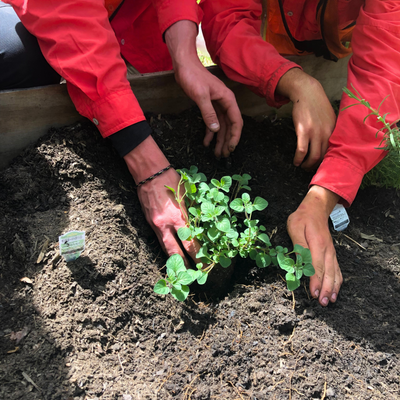
Cooks a meal for their group
-
Navigates a conflict successfully
-
Sleeps peacefully outdoors
They begin to accumulate evidence of strength. Confidence built through action tends to be more durable than reassurance alone.
A Different Environment, A Different Outcome
For teens struggling with anxiety, environment matters. Removing constant digital input, academic pressure, and familiar avoidance patterns creates space for new habits to form. Outdoor programming offers:
-
Nervous system regulation
-
Meaningful movement
-
Gradual exposure to challenge
-
Authentic connection
-
Individualized clinical support
When therapy is woven into daily life rather than separated from it, growth becomes experiential, embodied, and sustainable.
Anxiety does not disappear overnight. But in the right environment — one that balances structure, support, movement, and connection — teens can begin to experience themselves differently: not as overwhelmed, but as capable.
About Blue Ridge Therapeutic Wilderness
Located in the Blue Ridge mountains of North Georgia, Blue Ridge Therapeutic Wilderness is the leading nature-based therapy program to integrate a family systems approach, whole body health and wellness, and holistic, assessment driven, clinical treatment for troubled youth with anxiety, depression and other mental health challenges.