

When Summer Stops Feeling Like a Break: Understanding the Adolescent Summer Slump

Summer without structure
For many teenagers, summer offers something they genuinely need. After months of early mornings, homework, extracurricular activities, and social demands, having fewer obligations can be restorative. There is more time to sleep, spend time with friends, pursue hobbies, or simply recover from a busy school year.
At the same time, the absence of structure can create challenges that are easy to overlook.
Parents often describe watching a gradual shift over the course of the summer. Their teenager starts sleeping later, spends more time gaming or scrolling on their phone, and becomes increasingly reluctant to leave the house. Family meals become less frequent. Time with friends happens almost entirely online. By the end of July, many parents find themselves wondering how their child has become so disconnected in such a short period of time.
Not every adolescent experiences this pattern, but it is common enough that many families recognize it immediately.

Why summer can be difficult for some adolescents
Although teenagers often push back against rules and schedules, many benefit from having predictable structure in their daily lives. School provides a rhythm that organizes much more than academics. It creates regular sleep and wake times, opportunities for social interaction, physical movement, expectations for responsibility, and a sense of purpose throughout the day.
When that structure disappears, adolescents are left with a tremendous amount of unstructured time. Some use it well. Others have a much harder time organizing themselves, particularly those who already struggle with anxiety, depression, ADHD, executive functioning difficulties, or social challenges.
Without intending to, they begin gravitating toward activities that offer immediate reward with very little effort. Video games, social media, YouTube, and other forms of digital entertainment become an easy way to fill long stretches of time. None of these activities are inherently problematic, but they can gradually crowd out experiences that support emotional well-being, including movement, face-to-face relationships, time outdoors, creative interests, and responsibilities at home.
This is one reason parents often notice an increase in teen screen time during summer and wonder why it seems so difficult for their child to shift into anything else.

When gaming becomes the default
One of the more common concerns parents raise is that their teenager spends nearly every waking hour gaming.
The amount of time can certainly be concerning, but the hours themselves rarely tell the whole story.
Gaming provides many things adolescents naturally seek. It offers challenge, competence, social connection, clear goals, and immediate feedback. For some teenagers, especially those who feel uncertain socially or struggle with self-confidence, online environments feel more manageable than the unpredictability of everyday life.
The question is usually less about whether a teenager enjoys gaming and more about whether gaming has begun replacing other important parts of life.
Parents may notice that their child no longer wants to spend time with friends outside of the internet, avoids family activities, loses interest in hobbies they once enjoyed, or resists leaving the house altogether. Sleep schedules often drift later into the night, making mornings increasingly difficult. Responsibilities become easier to postpone because there are few external expectations during the summer months.
These changes tend to happen gradually rather than all at once, which can make them difficult to recognize until they have become well established.
Isolation often develops slowly
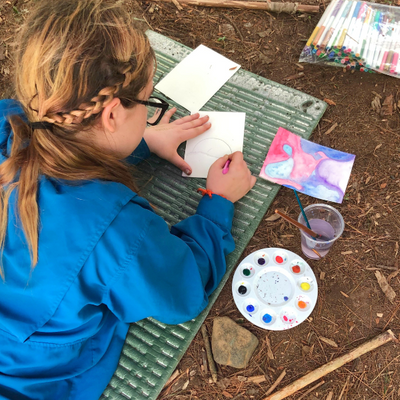
Parents sometimes describe their teenager as becoming "lazy" over the summer. More often, what they are observing is a gradual narrowing of a young person's world.
The bedroom becomes the primary living space. Conversations become shorter. Invitations are declined. Time outdoors decreases. Most social interaction happens through a headset or a phone screen.
For some adolescents, this reflects nothing more than a preference for downtime after a demanding school year.
For others, increasing isolation may be one of the first visible signs that anxiety, depression, or another emotional struggle is becoming more significant.
Isolation and emotional distress often reinforce one another. As teenagers spend less time engaged in meaningful activities and relationships, they have fewer opportunities to experience confidence, enjoyment, or connection. Their world becomes smaller, which can make returning to school, sports, or social situations feel increasingly overwhelming.

The role of nature and lasting change
At Blue Ridge, we often see adolescents arrive after months—or sometimes years—of increasingly isolated routines. Many have become accustomed to spending much of their free time indoors, interacting primarily through screens.
One of the most noticeable changes is not simply that they spend less time using technology. It is that they begin participating in experiences that require their attention in a different way.
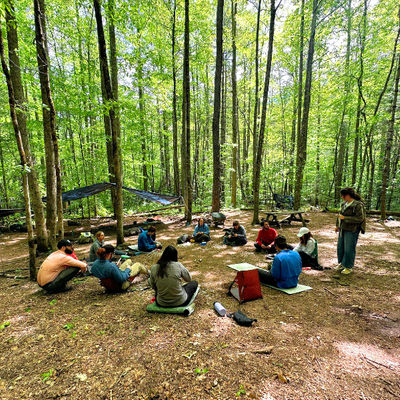
Outdoor living naturally introduces movement, shared responsibility, problem-solving, and opportunities for genuine connection. Daily tasks require cooperation. Challenges cannot be skipped with the click of a button. Success develops through persistence rather than instant reward.
Research examining summer mental health in teens consistently suggests that physical activity, time in natural environments, meaningful relationships, and predictable routines all contribute to improved emotional well-being. While spending time outdoors is not a cure for anxiety or depression, it creates conditions that often support healthier patterns of attention, regulation, and engagement.
Helping adolescents regain balance during summer
Many parents feel pressure to dramatically reduce screen time once they realize how much time their teenager has been spending online. In practice, abrupt restrictions are rarely the most effective place to begin.
Instead, it is often more helpful to look at what has quietly disappeared from a teenager's life.
Are they spending time with peers in person?
Are they moving their bodies regularly?
Do they have responsibilities that contribute to family life?
Are they getting outside consistently?
Do they have opportunities to experience competence outside of a screen?
As these experiences gradually return, technology often occupies a more balanced place on its own.
Looking beyond the summer slump
Many teenagers settle back into healthier routines once school begins again. The return of daily structure naturally restores many of the habits that faded over the summer.
Occasionally, however, summer serves to reveal struggles that were already developing beneath the surface. Anxiety, depression, executive functioning challenges, social difficulties, or problematic patterns of avoidance become more visible once school is no longer providing external structure.
When parents notice persistent withdrawal, increasing isolation, significant changes in mood, or difficulty re-engaging with everyday life, it may be worth looking beyond the question of screen time alone.
Technology is often the most visible part of the picture, but it is rarely the whole picture. Understanding what an adolescent is avoiding—or what they may be missing—is usually a more productive place to begin than focusing exclusively on the device in their hands.

Located in the Blue Ridge mountains of North Georgia, Blue Ridge Therapeutic Wilderness is the leading nature-based therapy program to integrate a family systems approach, whole body health and wellness, and holistic, assessment driven, clinical treatment for troubled youth with anxiety, depression and other mental health challenges.