The Drama Triangle in Nature-Based Programming: A Framework for Understanding Relational Dynamics

The Drama Triangle, originally conceptualized by Stephen Karpman, is a well-established model for understanding maladaptive relational patterns that emerge in the context of conflict and emotional distress. The model identifies three interconnected roles—Victim, Persecutor, and Rescuer—that individuals may play and move between in family or other interpersonal systems. Rather than representing fixed personality traits, these roles are best understood as situational responses that function to regulate distress, maintain relational equilibrium, and avoid vulnerability.
Within adolescent development, these dynamics often show up as young people are navigating identity, emotional regulation, and increasing independence. Over time, these patterns can also take hold within family systems, shaping the way people relate to one another in ways that may have once been helpful, but can begin to limit growth and contribute to ongoing conflict.
Defining the Roles
The Victim role is often marked by a sense of helplessness or feeling stuck. Individuals in this role may feel overwhelmed and unsure how to move forward, sometimes relying on others to step in or change the situation.
The Persecutor role tends to show up as criticism, blame, or attempts to control. While it can come across as harsh, it is often rooted in frustration, fear, or a sense of things feeling out of control.
The Rescuer role involves stepping in to help, often quickly. While this is usually well-intentioned, it can sometimes prevent others from working through challenges on their own and unintentionally reinforce a sense of dependency.
People do not stay in one role. It is common to move between them, sometimes quickly, depending on what is happening in the moment.
Relevance in Nature-Based Programs
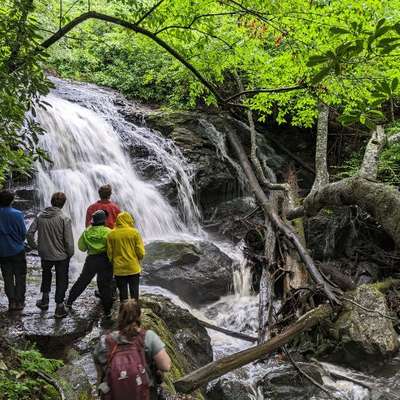
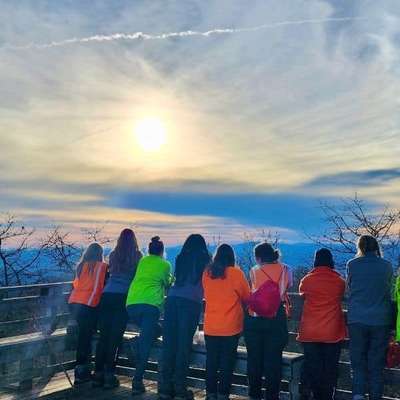
Nature-based programs offer a setting where these dynamics become easier to notice and work through. With fewer distractions and more shared responsibility, relational patterns tend to show up in real time.
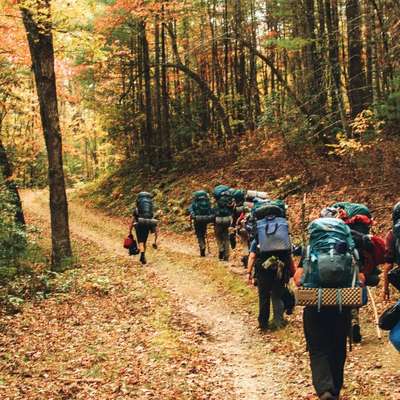
Daily experiences such as hiking, preparing meals, and navigating group challenges require cooperation and communication. In these moments, familiar roles can emerge. A student may feel overwhelmed and shut down, another may step in to take over, while someone else may become frustrated and critical.
Rather than trying to avoid these dynamics, the work involves slowing them down and helping students recognize what is happening. This creates an opportunity to reflect, take ownership, and try something different.
Shifting Out of the Triangle
As awareness grows, students can begin to shift out of these roles and into more adaptive ways of relating.
This often includes:
- Moving from a sense of helplessness toward greater ownership and participation
- Replacing blame with more direct and respectful communication
- Offering support without taking over responsibility for others
These shifts take practice and are reinforced through daily interactions within the group.
Family System Implications
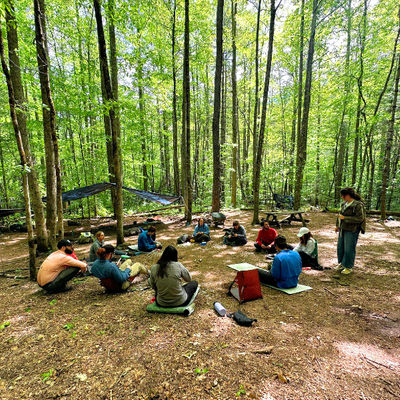
Clear and direct communication is an important part of stepping out of these patterns. Learning how to express thoughts, emotions, and needs in a way that is both honest and respectful helps reduce misunderstandings and allows for more productive conversations. These skills are practiced regularly in group settings and supported by staff through feedback and guidance.
Because the Drama Triangle often reflects established family dynamics, parallel work with caregivers is essential. Family programming may include psychoeducation, facilitated conversations, and coaching around communication and boundary setting.
When caregivers are able to recognize their own participation in these roles, opportunities emerge for systemic change. Shifts at the family level can reduce reinforcement of maladaptive patterns and support more sustainable outcomes following program completion.
Conclusion
The Drama Triangle offers a practical way to understand how people respond to stress within relationships. In a nature-based program, these patterns become more visible and easier to work with in real time.
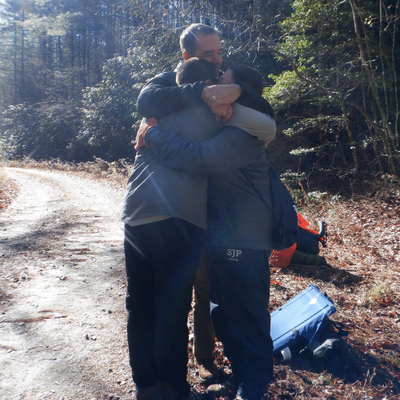
By building awareness, strengthening communication skills, and practicing new ways of responding, students and families can begin to shift out of repetitive patterns and toward more flexible, connected ways of relating. Over time, these changes support greater emotional regulation, stronger relationships, and increased personal responsibility.

About Blue Ridge Therapeutic Wilderness
Located in the Blue Ridge mountains of North Georgia, Blue Ridge Therapeutic Wilderness is the leading nature-based therapy program to integrate a family systems approach, whole body health and wellness, and holistic, assessment driven, clinical treatment for troubled youth with anxiety, depression and other mental health challenges.