Teen Girls, Mental Health & the Algorithm: Why Nature-Based Treatment Can Help
What Happens When You Take a Teenage Girl Out of the Algorithm?
As another school year begins, adolescent girls are stepping back into a world of academic pressure, complicated friendships, body image, perfectionism, social comparison and a social environment that rarely turns off. The school day ends. The group chats, comparisons, likes, and feedback don't.
The data reflect what many of us are seeing clinically. According to the CDC's 2023 Youth Risk Behavior Survey, more than half of female high school students reported persistent sadness or hopelessness, more than one in four seriously considered suicide, and approximately 13% reported a suicide attempt in the previous year.
For girls who were already struggling, returning to school can quickly bring old patterns back to the surface. Sometimes the next intervention isn't another strategy for functioning within the same environment. Sometimes changing the environment is part of the intervention.
What happens when we do?
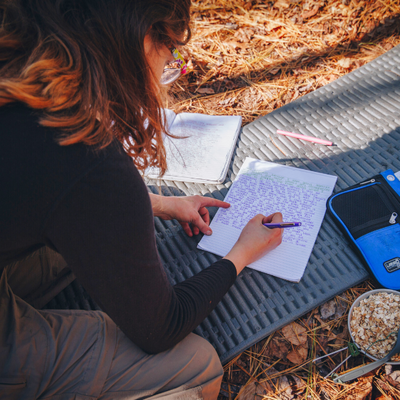
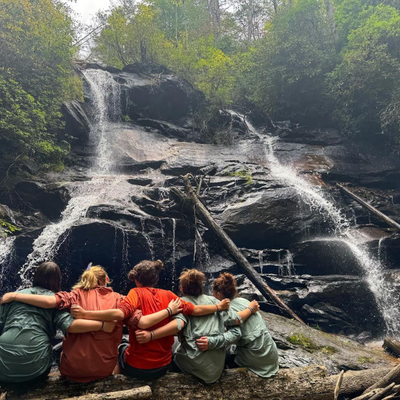
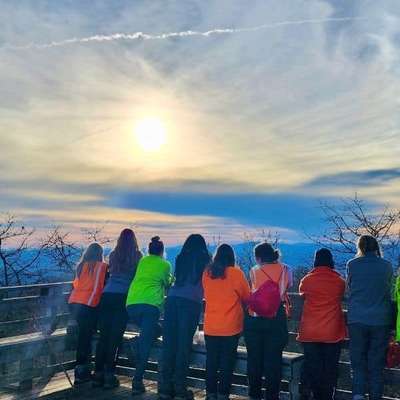
At Blue Ridge, girls step away from the constant digital and social feedback and into a smaller world built around nature, relationships, movement, challenge, responsibility, and meaningful clinical work. A girl who avoids discomfort has opportunities to stay with it. A girl who struggles in relationships can work through conflict in real time. A girl who believes “I can't do hard things” has repeated opportunities to discover that she can. Our Field Instructors are alongside students in these moments and work closely with the clinical team, allowing patterns to be observed as they happen and then understood and worked through in therapy.
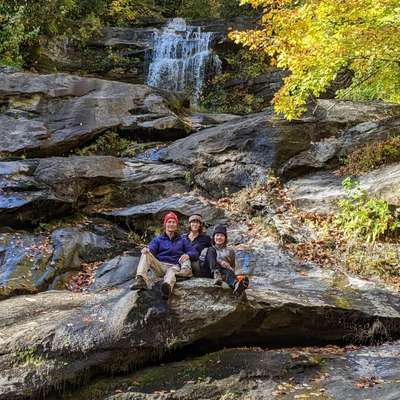
This isn't simply therapy that happens outside. The experience itself becomes part of the therapy.
Research on adolescent nature-based interventions increasingly points to benefits in areas including resilience, self-esteem, social connection, belonging, and well-being. Girl-specific adventure therapy research has also identified themes of trust, empowerment, teamwork, and recognition of personal value.
Who should you think of for Blue Ridge?
Think about the girl whose world is getting smaller while the concerns around her are getting bigger. She may be bright, capable, and insightful, but anxiety, depression, self-harm or suicidal ideation, school avoidance, emotional dysregulation, isolation, perfectionism, low self-worth, family conflict, or unhealthy peer dynamics are increasingly interfering with her ability to function.
Weekly therapy isn't translating into sustained change. The same crises keep happening. School is becoming harder to attend. Family relationships are deteriorating. She is retreating further into her room, her phone, or unhealthy relationships. Everyone is working hard, but the pattern continues.
That is often the point when more time in the same environment isn't enough. She may need an immersive period of treatment where there is enough time, structure, and clinical support to interrupt the cycle—not just manage the next crisis.
Three months in a nature-based therapeutic environment gives us something a weekly appointment simply cannot: time to see patterns emerge, understand them, practice new responses repeatedly, involve the family in meaningful change, and help those changes begin to take hold.
If you're watching a girl deteriorate despite good outpatient care, you don't have to wait for things to get worse before considering a higher level of support

Who Is Leading the Clinical Work?
Our Adolescent Girls Primary Therapist, Ellianna McLaughlin, MA, LAPC, brings extensive experience working specifically with adolescent girls and understands the developmental, relational, and emotional world they are navigating.
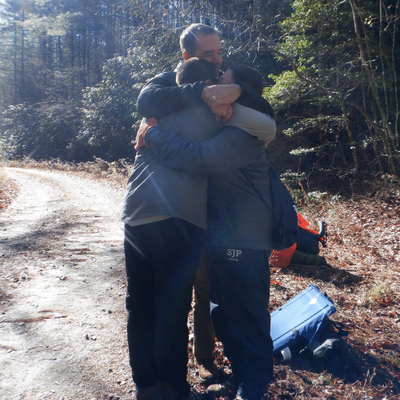
Ellianna works closely with our Field Instructors so the clinical work isn't separate from daily life. The difficult morning, peer conflict, shutdown, vulnerability, leadership, repair, and the “I can't do this” that eventually becomes “I did it” all become part of the therapeutic process.
The goal isn’t to remove a girl from her life simply to disrupt it. It’s to create enough distance from the patterns that aren’t working so she can return to her life with the skills, confidence, and capacity to live it differently.
As school gets underway, if there is an adolescent girl or family you’re working with who could benefit from real distance from her phone, the pressures of her everyday environment, and the patterns keeping her stuck, our Admissions and Clinical Teams would be glad to think through whether Blue Ridge could be the right next step.
How Blue Ridge Therapeutic Wilderness Supports Struggling Teens
Blue Ridge Therapeutic Wilderness provides immersive, nature-based treatment for adolescent girls ages 12–18 struggling with anxiety, depression, school avoidance, emotional dysregulation, self-harm, family conflict, and other challenges that are interfering with daily life. Through individualized therapy, family work, strong relationships, and meaningful experiences in nature, girls have the time and space to step out of familiar patterns and practice new ways of responding.
If you’re wondering whether Blue Ridge could be the right next step for a student or family, contact our Admissions Team to learn more about our Adolescent Girls Program and speak with someone about your specific situation.
About Blue Ridge Therapeutic Wilderness
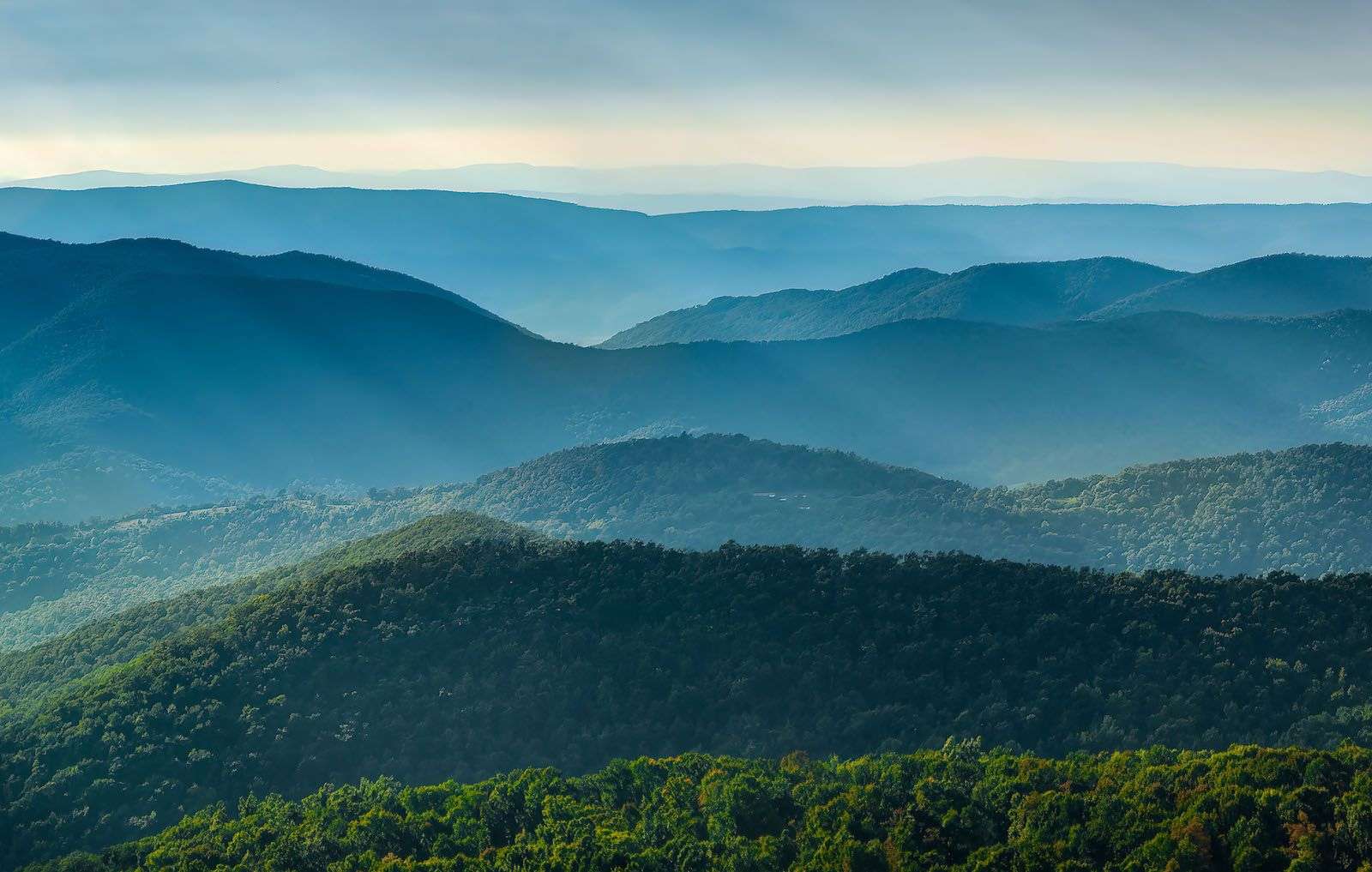
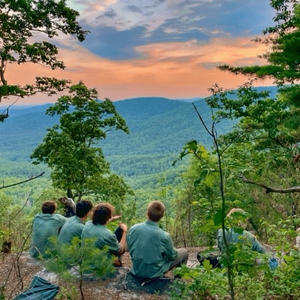
Located in the Blue Ridge mountains of North Georgia, Blue Ridge Therapeutic Wilderness is the leading nature-based therapy program to integrate a family systems approach, whole body health and wellness, and holistic, assessment driven, clinical treatment for troubled youth with anxiety, depression and other mental health challenges.