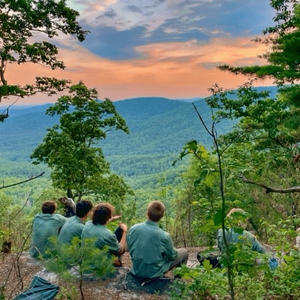
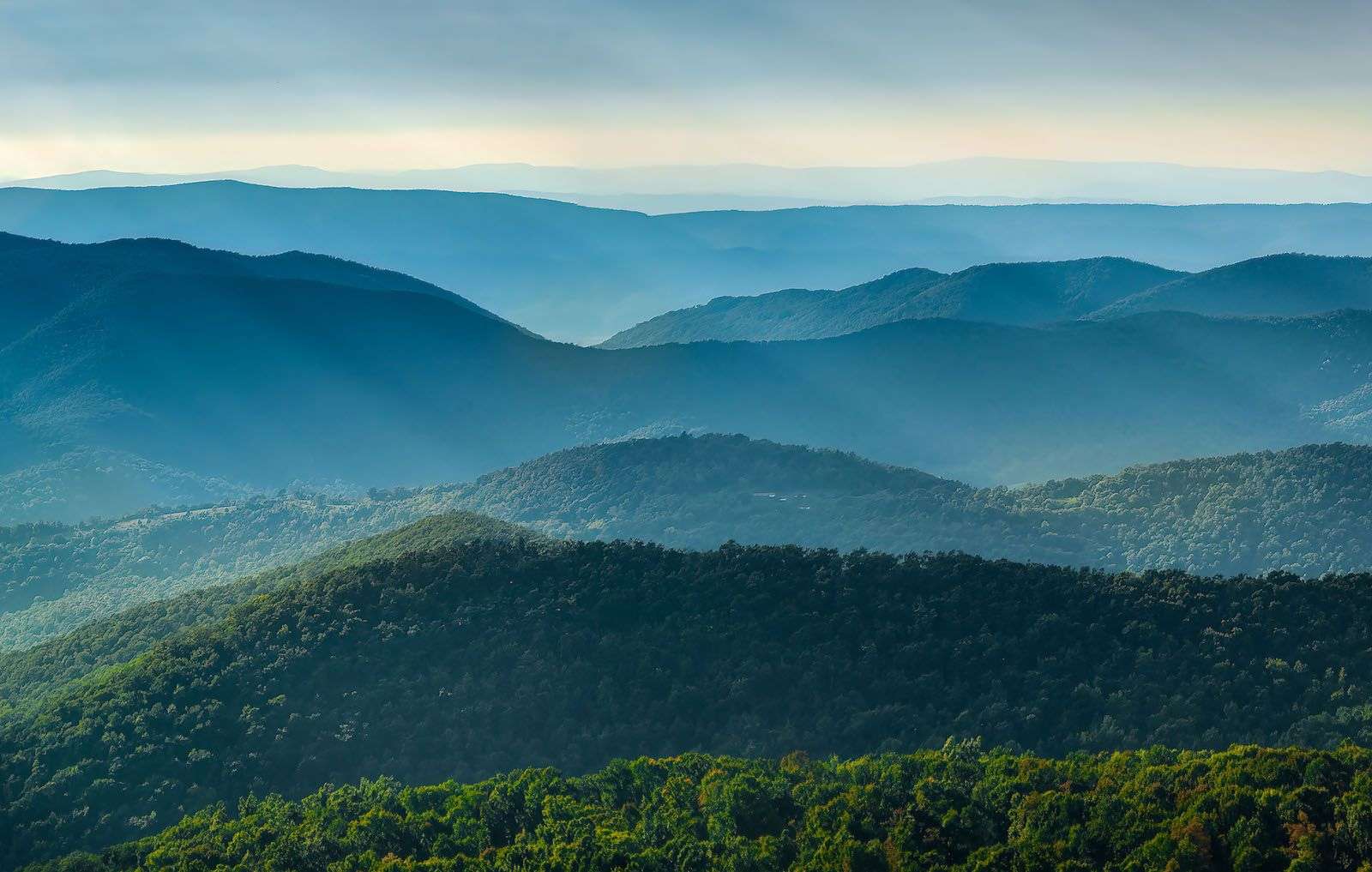
wilderness program

Six Years Later: A Former Blue Ridge Student and His Mother Reflect on the Decision That Changed Their Family

Deciding that your teenager needs more help than you can provide at home can be an incredibly difficult realization for a parent.

For one Blue Ridge family, the decision came after they had already tried outpatient therapy, psychiatric care, and medication changes. They knew their son was struggling. They also knew that what they were doing wasn’t working.

“Choosing to send our son to Blue Ridge Therapeutic Wilderness was the most difficult decision we ever made as parents,” his mother remembers.

Her son remembers that period differently, but six years later, he can see what his parents were seeing at the time.

“After having conversations with my parents in the years following Blue Ridge, it was very evident to them that I was struggling and I was not doing okay,” he said. “They knew they didn’t know how to help me, or couldn’t help me themselves. They knew they were in over their heads.”

Today, he is 21. His relationship with his parents has changed significantly. So has his relationship with Blue Ridge.

In 2026, six years after arriving as a student, he returned to Blue Ridge as a field staff member.
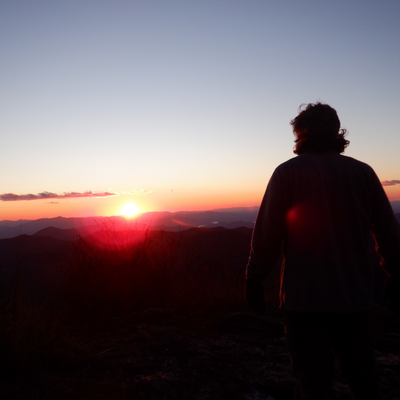
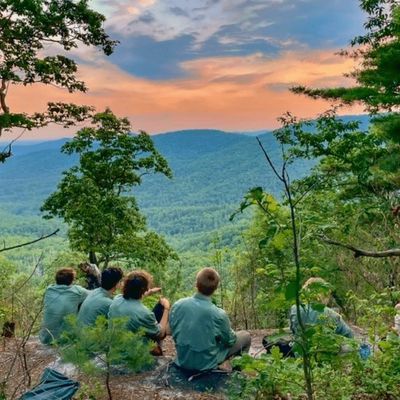
wilderness therapy hiking north carolina

When Outpatient Therapy Isn’t Enough

Families rarely arrive at the decision to pursue a higher level of care for their teenager quickly.

Often, they have already spent months or years trying to help. Therapy appointments, medication changes, school interventions, psychiatric care, conversations at home, new routines, and repeated attempts to understand what is happening can leave parents wondering what else they are supposed to do.

For this family, considering treatment away from home felt almost contradictory to their instincts. Their son was struggling. Why would they send him away when he seemed to need them most?

Eventually, they began to recognize that keeping everything the same was not helping either.

“My son needed respite,” his mother said. “And, so did we.”

Looking back now, her son describes the decision in similar terms.

“I like to say, ‘Nothing changes if nothing changes,’” he said. “A small step toward change can actually be a really big one.”

ADHD Symptoms in Teens

Creating Enough Distance to See Things Differently

One of the things he remembers most clearly about his time at Blue Ridge is gaining perspective.

Away from his usual routines and environment, he began looking more closely at the way he communicated, responded to emotions, and affected the people around him.

“It allowed me to see a new perspective on the way I operate, think, and act,” he said.

That perspective became especially significant through his work around relationships.

Before Blue Ridge, he remembers believing that his choices primarily affected him. Living within a small group made those interpersonal effects much harder to ignore.

After receiving an impact letter and examining how his actions affected the people around him, he began to understand himself differently.

“I realized that I care more about people than I once thought I did,” he said.

The experience gave him opportunities to practice expressing emotions rather than hiding them, develop communication skills, and build a stronger understanding of his relationships and identity.

For adolescents who have struggled to engage or make progress in traditional outpatient therapy, an immersive therapeutic environment can create opportunities to see these patterns differently. Patterns do not only get discussed in a therapy office. They emerge through relationships, responsibilities, challenges, conflict, and everyday life, creating opportunities to recognize and work with them as they happen.

4.jpg

What Happens to the Parent-Child Relationship?

For many parents considering treatment away from home, one fear can outweigh almost everything else:

Will my child ever forgive me?

The former student doesn’t dismiss that fear. He acknowledges that treatment away from home can create a rupture in an already strained parent-child relationship. But six years later, he also sees that rupture differently.

“The important thing to remember is that damage isn’t permanent,” he said. For his family, the work that happened on both sides mattered.

While he participated in treatment at Blue Ridge, his parents were engaged in their own process. Family work, parent support, communication with the clinical team, letters, and preparation for reunification created space for the entire family to examine patterns rather than placing responsibility for change solely on their son.

His mother remembers carrying those lessons forward long after he left.

“We carried the knowledge and skills learned at Blue Ridge throughout our mental health journey with our son,” she said.

Her son sees the result in their relationship today. “My relationship with my parents is infinitely better than it was before, and I am so grateful that they had the courage to take the step to have me come to Blue Ridge.”

He describes what happened afterward as a process of rupture and repair that ultimately created “more connection, more understanding, and more growth.”

Wilderness Treatment Programs.jpg

Blue Ridge Was One Part of a Longer Journey

His story did not end when he left Blue Ridge. After approximately 16 weeks, he transitioned to residential treatment and continued his therapeutic work.

Adolescent mental health treatment rarely follows a perfectly linear trajectory, and one intervention is rarely responsible for everything that follows. For some young people, Blue Ridge serves as a place to interrupt entrenched patterns, strengthen engagement in treatment, better understand clinical and family needs, and determine what should come next.

For this former student, the emotional awareness and communication skills he began developing at Blue Ridge became something he could continue building upon.

“It gave me the communication skills to express how I’m feeling instead of running away and trying to hide or mask everything I was feeling,” he said. “It gave me confidence to share and trust myself.”

His family continued changing, too.

wilderness therapy students

From Student to Staff

One person had a particularly significant influence on him during his time at Blue Ridge: a staff member who had once been a Blue Ridge student himself.

“He was very instrumental in my recovery here,” he remembers.

That relationship showed him what it could look like to return someday from the other side of the experience.

Six years later, he has. As a field staff member, he now supports adolescents going through an experience he understands in a way few people can.

“I wanted to give back the love and care that I was so freely given,” he said. “Using the experience that I have from being here to help others adds a level of connection and understanding that is difficult to get in other ways.”

A former student helped him imagine a different future for himself. Now, he has the opportunity to be that person for someone else.

For his mother, seeing him return is something she could not have imagined when the family was making that difficult decision in 2020.

“He is 21 now, he is healthy and stable, and living out his dream of returning to Blue Ridge,” she said. “We could not be prouder of him or more thankful for the experience Blue Ridge offered to us in the beginning of his journey.”

Young Adult Wilderness Therapy Emerald Arrow at Blue Ridge

When Your Teen Needs Something Different

There is no single moment that tells every parent it is time to consider a higher level of care.

Sometimes it is the accumulation of smaller signs: increasing isolation, school refusal or academic avoidance, substance use, escalating conflict, anxiety, depression, emotional dysregulation, risky behavior, or a teenager continuing to struggle despite outpatient support.

Recognizing that the current approach is no longer enough can be difficult. It can also open the door to considering what kind of support might need to look different.

Six years later, this former student has simple advice for families facing that uncertainty:

“Trust your gut.”

Blue Ridge Therapeutic Wilderness works with adolescents and families who need the space, structure, clinical support, and experiential opportunities to better understand what is happening and what needs to change. If your teenager is struggling despite the support already in place, contact our admissions team to talk through what you are seeing and whether Blue Ridge may be an appropriate next step.

ADHD Symptoms in Teens

About Blue Ridge Therapeutic Wilderness

Located in the Blue Ridge mountains of North Georgia, Blue Ridge Therapeutic Wilderness is the leading nature-based therapy program to integrate a family systems approach, whole body health and wellness, and holistic, assessment driven, clinical treatment for troubled youth with anxiety, depression and other mental health challenges.

Visit Blue Ridge Home ➔