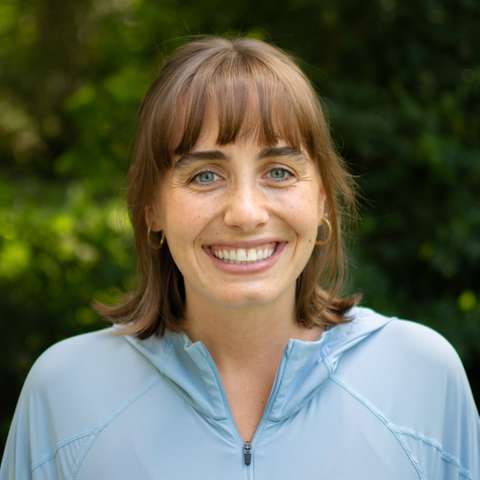
Q: Tell us about yourself. What’s your background? How did you come to work at Blue Ridge?
A: My journey at Blue Ridge began as a field staff, working alongside the therapists to create a meaningful and transformative experience for our students. I found this experience to be so powerful that I returned to school to pursue my master’s degree in clinical mental health counseling, with the hope of gaining a greater understanding of how to elicit the change I witnessed while working in the wilderness.
After completing my education and gaining experience working with the college population, I was eager to return to Blue Ridge and my work with adolescent girls. Returning to Blue Ridge has felt like returning home! I am thrilled to be in this new role at the company and to be surrounded by so many familiar faces who have continued to work tirelessly to provide our students with the best support.
Q: How do you bring your strengths as a therapist into your work with the group?
My background as a field staff is my greatest strength when it comes to working with the group and with families. I have seen so many adolescents and their families come to us feeling scared and uncertain about what the future holds, then begin to move toward greater connection and understanding. Having witnessed this process firsthand allows me to guide students and families through the experience with a deep appreciation for what is possible and an unwavering belief in the work we do.
My experience in the field also allows me to understand students in a more holistic way. I recognize how much of the therapeutic work happens outside of formal sessions, in the everyday moments of navigating the wilderness, working through challenges, and learning to live alongside others. I can recognize areas of strength that might otherwise go unnoticed and gather a more comprehensive understanding of what a student needs to determine the best next steps in their therapeutic journey.
Within the milieu, I understand the importance of fostering a strong group culture and have experience guiding students through that process. I strive to create opportunities for healthy connection, encourage vulnerability, and help students take responsibility for how they show up for themselves and others.
Q: What would you consider to be the power of Wilderness Therapy? Why do you choose to work in the wilderness, specifically?
A: I think wilderness therapy gives adolescents, especially adolescent girls, the opportunity to prove to themselves that they are capable of doing hard things. It also allows them to discover that the challenges they have imagined to be insurmountable can often become more manageable than continuing to live in the patterns that brought them here.
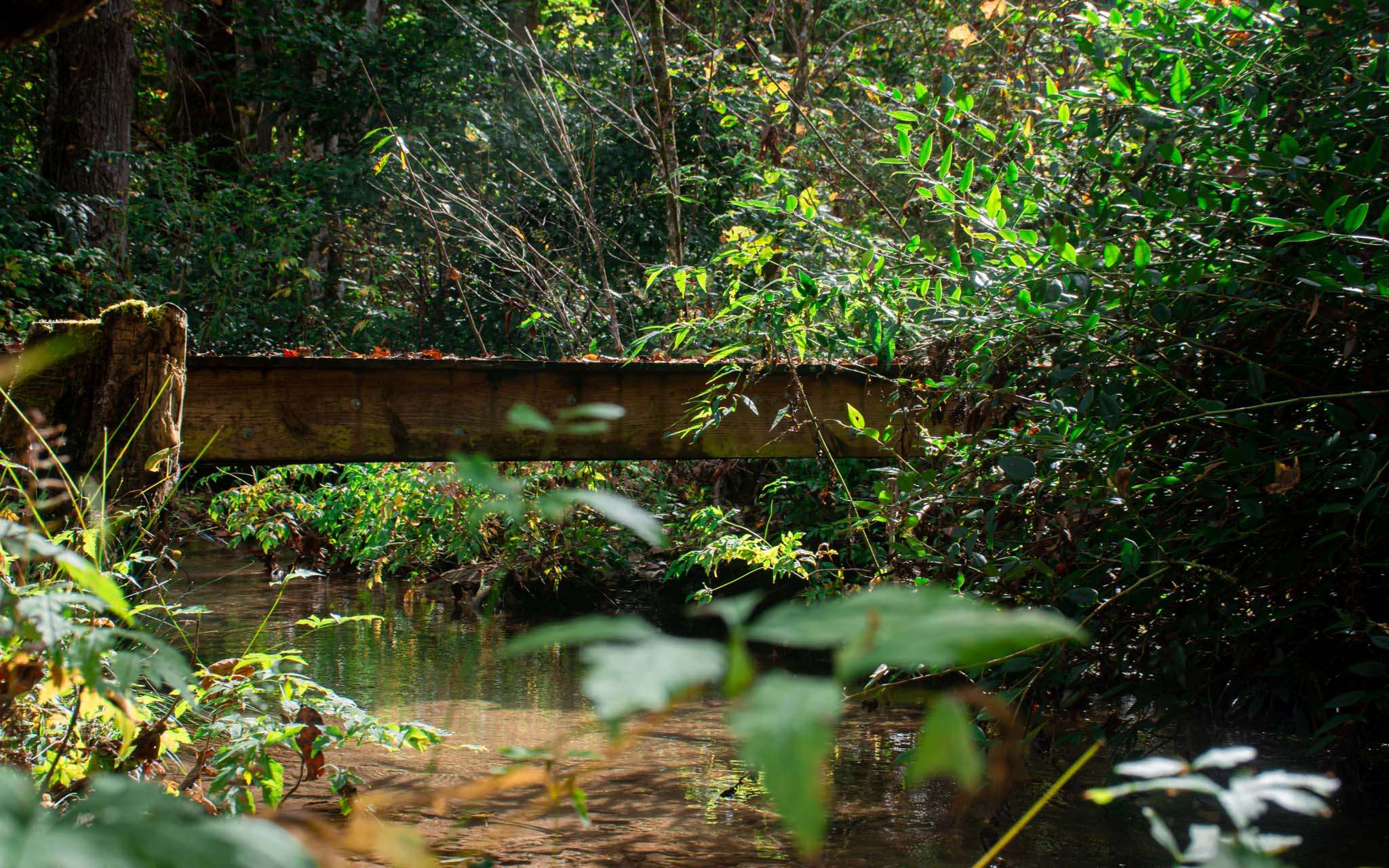
I think the word “wilderness” can conjure up an image of something barren and unforgiving. In my time working in a wilderness setting, however, I have come to know it as a place that is honest, caring, and full of life and possibility. Being immersed in a group dynamic within an ever-changing environment provides countless opportunities to practice expressing emotions, sharing feedback, and working through conflict. At the same time, the quiet of the woods offers adolescents space to connect more deeply with their inner voices, reflect on how they have been living, and begin taking ownership of their well-being.
Life in the woods has a cyclical nature. Students move between different campsites, become more attuned to the rhythms of sunrise and sunset, and experience days of rain followed by sunshine, followed by rain again. With each repetition of these patterns, they are offered another opportunity to practice something new. That might mean finding a different way to relate to themselves or others, developing hard skills like bow drilling or hiking, or simply learning to pause and take a breath throughout the day. The wilderness offers a steady rhythm in which students can practice new ways of being, make mistakes, and try again.
For me, one of the most powerful aspects of wilderness therapy is when students begin to recognize their own growth, not just through conversations about change, but through the lived experience of doing things differently. They begin to trust themselves, recognize their capacity to navigate discomfort, and see that change is possible through small, repeated choices. My hope is that they carry this understanding with them beyond the woods so that even when life feels difficult or familiar patterns begin to resurface, they can remember what they have accomplished and trust in their ability to find a different way forward.
Q: What does the word “success” mean to you?
A: I believe success in wilderness therapy looks different for every individual and family. My hope is to understand each family’s goals early on and collaborate with them to create a path forward, while recognizing that there may be bends in the road we didn’t anticipate. Together, I believe it’s important to revisit and redefine those goals together throughout the process, remaining responsive to each adolescent’s growth and evolving needs.
At Blue Ridge, adolescents have the opportunity to slow down, reconnect with themselves, and strengthen their relationships with their families. Success may look like developing a more compassionate and connected relationship with their inner dialogue, building resilience in the face of challenges, learning to regulate their nervous systems, and developing a clearer internal compass to guide them toward choices that align with their values. Practicing communication skills within the therapeutic community allows students to put these insights into action, building the foundation for carrying what they learn at Blue Ridge into their lives at home.
I hope students leave with a deeper understanding of the patterns and cycles they have been caught in, along with healthier ways to recognize and meet their needs. I want them to feel empowered by what they have accomplished, more confident in their ability to navigate challenges, and hopeful about the possibility of a more vibrant, connected future for themselves and their families.
Q: What is unique about working with adolescent girls in a nature-based therapeutic setting?
A: Many adolescent girls who come to Blue Ridge know all the “right things to say” from years of outpatient therapy experiences. However, they often struggle to connect what they share with their actions and have limiting beliefs about what they are actually capable of, particularly when it comes to navigating challenges, trusting themselves, and following through on the changes they want to make.
Wilderness therapy gives them the opportunity to move beyond talking about change and begin experiencing it firsthand. They get to put their skills into practice, face challenges that may initially feel overwhelming, and discover through their own actions that they are capable of more than they imagined. There is something powerful about seeing a young woman realize that she can do hard things, advocate for herself, work through discomfort, and contribute meaningfully to a group.
I think this creates a powerful feedback cycle where, as their actions begin to align with their intentions, they build confidence in themselves and develop a stronger sense of self-efficacy. Rather than simply being told they are capable, they have tangible experiences that demonstrate it to them. That lived experience can help them develop a deeper belief in themselves and their abilities beyond the wilderness setting.
Q: How do you create a good group culture and influence students to support each other and hold each other accountable?
A: One of the best ways to build a strong group culture is to encourage students to take on leadership roles as they demonstrate readiness for the task. Empowering students to use their voices creates investment and pride in the work happening within the group. It also gives newer students role models and a source of hope as they begin to imagine what their own experience might look like.
Leadership creates meaningful opportunities for students to practice assertive communication, emotional regulation, and accountability in real time. No day in the woods ever goes exactly as planned, so there are constant opportunities to work through frustration, navigate differences, and learn how to show up for one another.
I think a healthy group culture is one where students feel supported enough to be vulnerable and challenged enough to keep growing. My role is to help create an environment where students can learn to offer one another both compassion and accountability, recognizing that one is integral to the other.